

Photo: Desiree Rios/The New York Times/Redux
It’s definitely possible to overreact to special-election results. These episodic contests, often far downballot, tend to attract low, sometimes skewed voter turnout. But the special elections held since Donald Trump’s 2024 victory add to the evidence that his party is headed for some real problems in November.
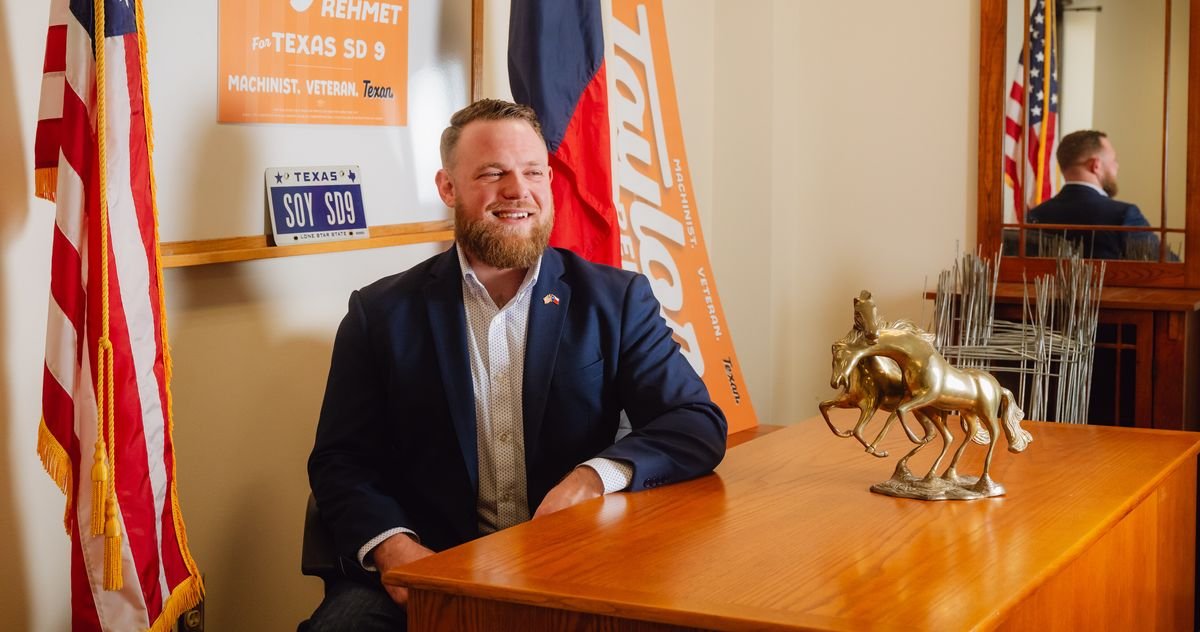
The latest Democratic win is quite the shocker: In a very large (larger than a U.S. House district) state-senate district deep in the heart of Texas that Trump won by 17 points, local union leader and Democrat Taylor Rehmet trounced veteran conservative activist Leigh Wambsganss by 14 points (it was technically a runoff election for the two candidates who finished first and second in the first round in November). There’s nothing about this traditionally very conservative Fort Worth–area district that made it particularly susceptible to an upset of this depth, which contributes to the sense that it’s part of a national vibe shift, as this account of recent state legislative special-election trend lines indicates:
CNN number cruncher Harry Enten summed up the situation and what such trends have meant in the past:
A closer look at the Texas results, moreover, makes it difficult to attribute them just to a temporarily skewed pro-Democratic turnout pattern that won’t hold in November. Yes, turnout was very low, possibly because the election was, unusually, held on a Saturday. But not only Democrats turned out:
Wambsganns, incidentally, “vastly outspent Rehmet as Republicans including Lieutenant Governor Dan Patrick mounted a furious funding push in a bid to tilt the election in their favor in the final days,” noted the Texas Tribune.
Another rationalization Republicans sometimes offer for special-election (or, for that matter, midterm) losses is that some Trump fans feel no particular need to vote if his name isn’t on the ballot. That, indeed, is why he has been much more engaged in preparations for the 2026 midterms than was the case in 2018, when Republicans lost pretty badly. But as Aaron Blake observed at CNN, Trump and his allies were very focused on this race:
The race was important enough to earn the involvement of the national committees, top statewide Republicans and even Trump.
Trump posted three times about the race in recent days, in clear hopes of juicing Election Day turnout for Republicans.
But it didn’t work. In fact, in a pretty rare occurrence these days, Democrats actually did better on special Election Day than in early voting. While Rehmet won early voting 56-44, he won day-of voting 58-42, according to results from Tarrant County.
Trump’s call clearly wasn’t heeded.
The two candidates will compete for a full term in the Texas state senate in the March primaries and November general election. But the special election is setting off alarm bells among Texas Republicans, who face a potentially difficult U.S. Senate race (incumbent John Cornyn has two primary opponents, including MAGA favorite Ken Paxton) and are counting on major gains in U.S. House races in the state after the legislature conducted a mid-decade partisan gerrymander at Trump’s request. And if the GOP is in trouble in Texas, there could be trouble everywhere.
